OEM
OEM 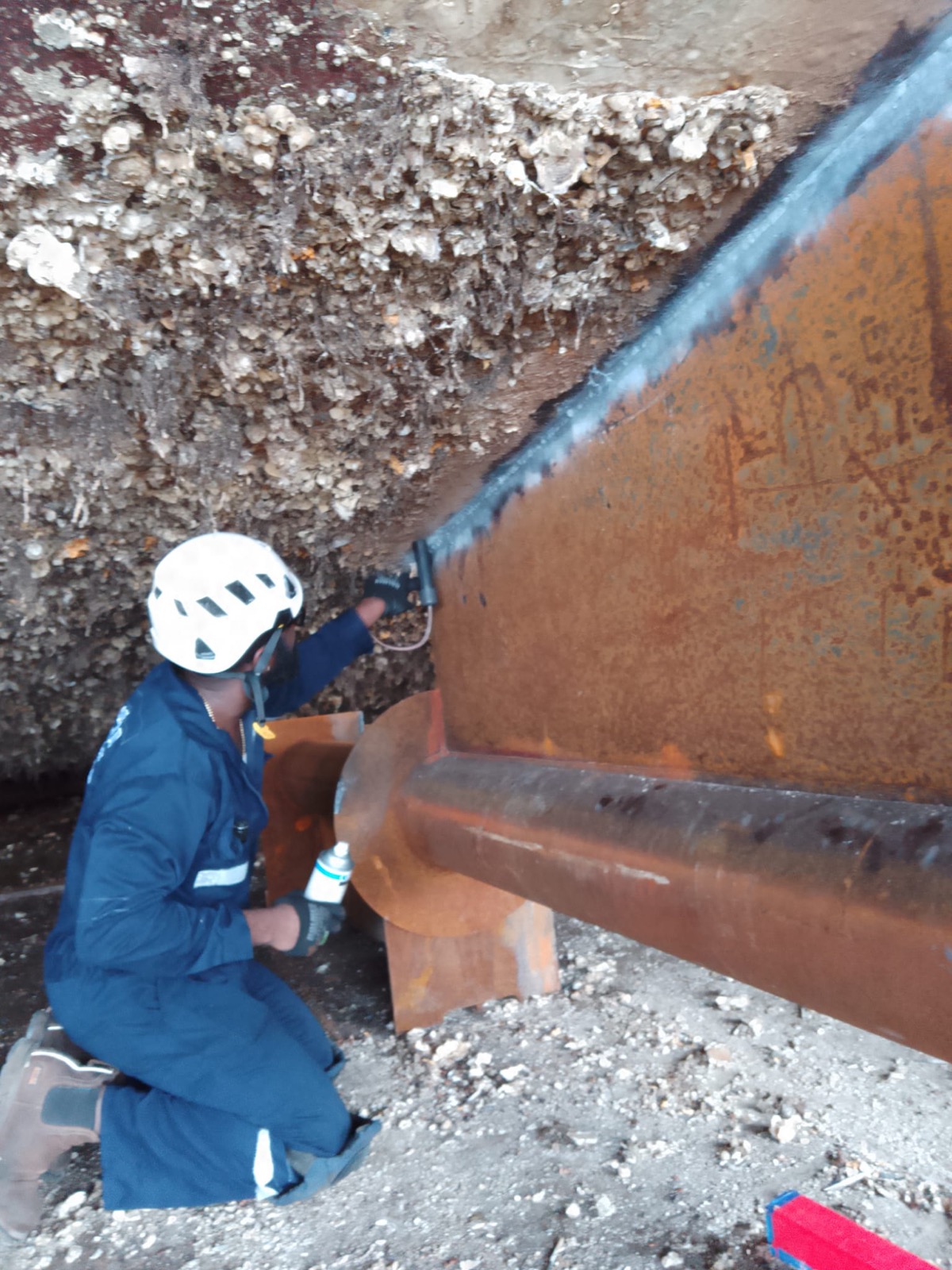
The most expensive failure is the one you didn't see coming. A corroded weld, a fatigued plate, a thinning tank wall — by the time these announce themselves, the repair bill has multiplied and the asset is out of service.
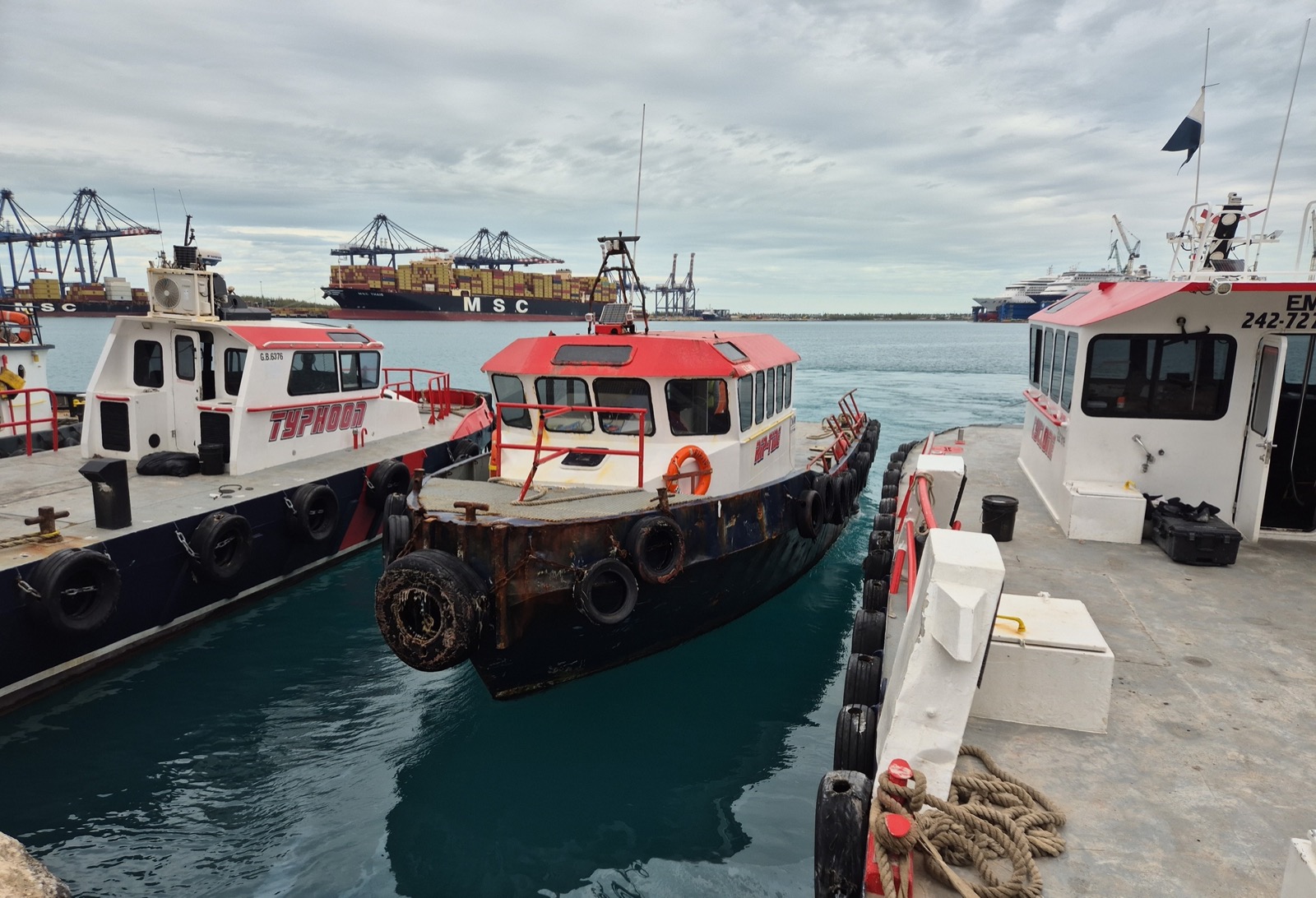
Non-destructive testing inverts that economics. Ultrasonic, visual, and related inspection methods let us measure the condition of steel, welds, and structures without cutting, drilling, or taking anything apart — meaning the asset keeps working while we assess it.
For vessel operators and industrial plants in The Bahamas, a scheduled NDT program does three things: it catches defects while they're still cheap to fix, it produces the condition documentation insurers and class societies want to see, and it converts unpredictable breakdowns into planned maintenance.
The inspection is always cheaper than the failure.